 YOTO
The workhorse category #
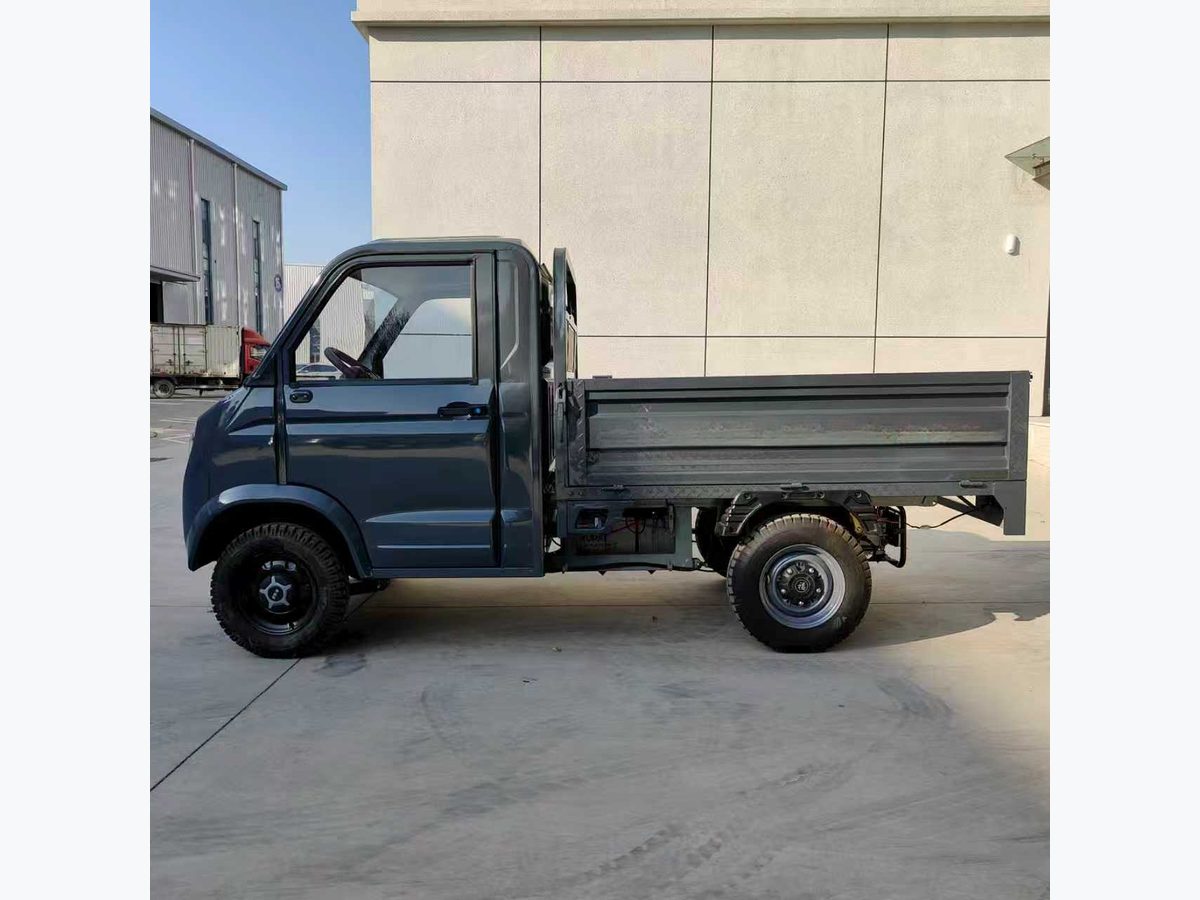
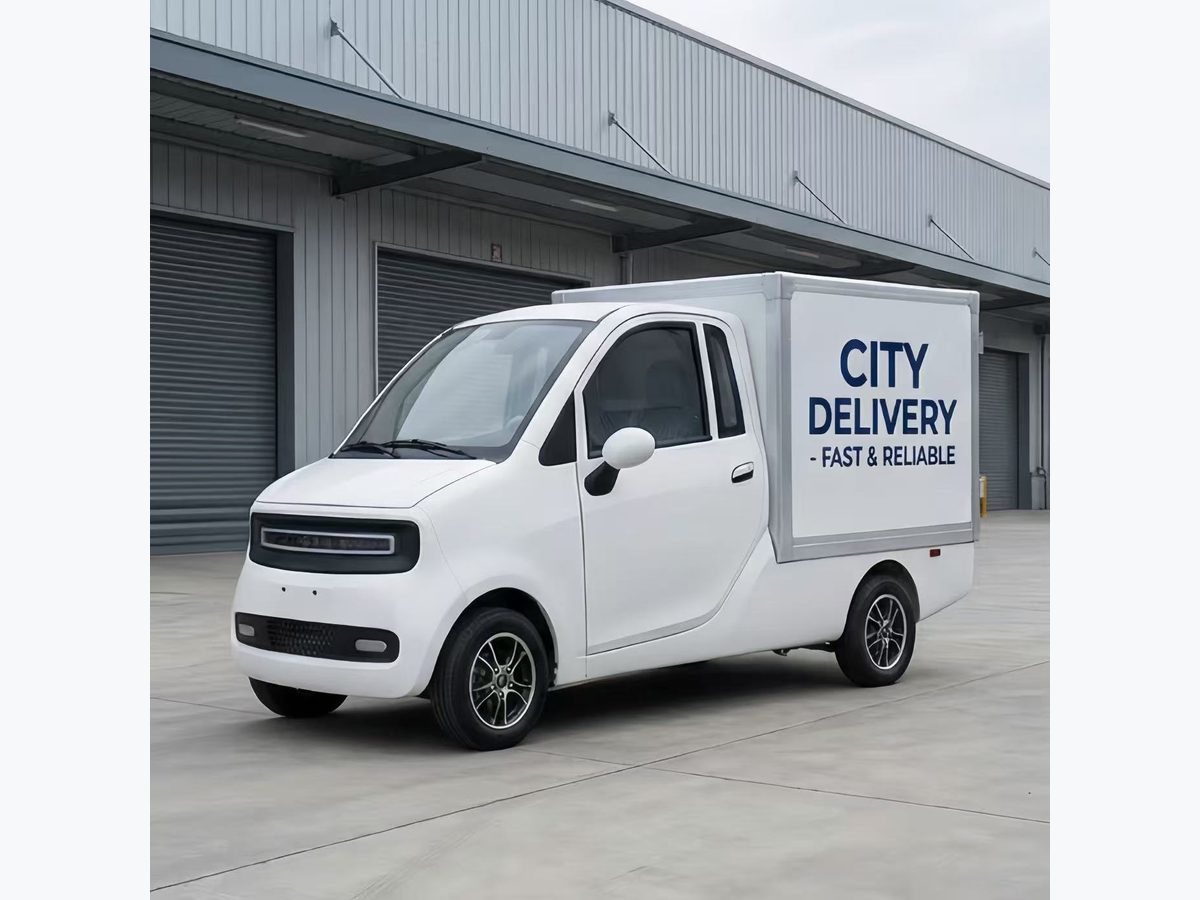
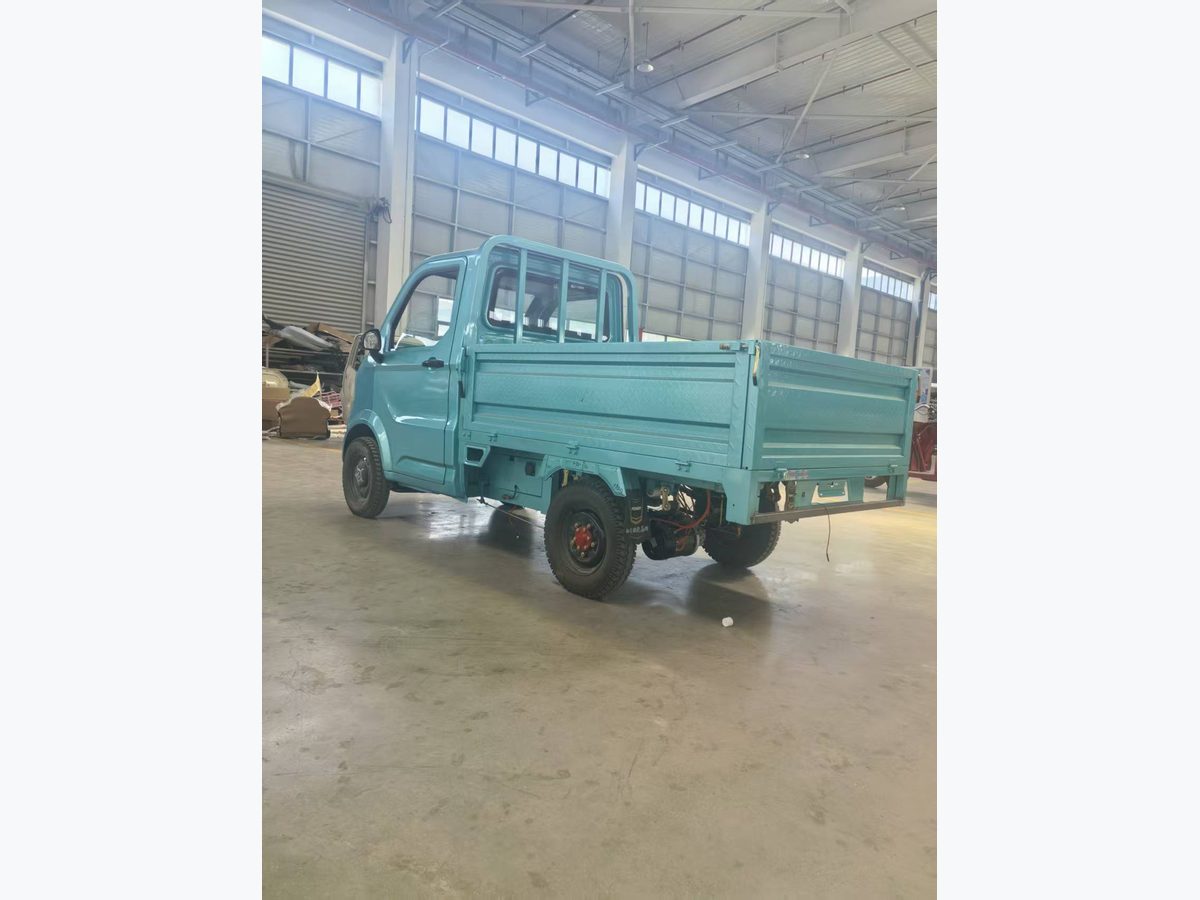
L7e-CU is the largest group in this range and the one with the clearest business case: a cargo box or flatbed, 45 km/h and above, a B licence in most member states, and a 600 kg mass ceiling that leaves room for a real chassis. For last-mile delivery, trades and municipal work it competes with a van on acquisition cost and beats it on licence and parking.
Cargo, not passengers — and the certificate says so #
An L7e-CU certificate describes a goods vehicle. Fitting a rear bench turns it into something the certificate does not describe, and a registration office is entitled to refuse it. If your customer needs to carry people, the honest route is a passenger type, not a bench in a cargo box.
Payload is a derived figure #
Manufacturers quote payload generously. The number a registration office reads is the technically permissible laden mass minus the mass in running order, both taken from the certificate. On one model in this range that calculation turns a claimed 1,183 kg into a real 679 kg. Always ask for the two certificate fields, then subtract.