 YOTO
Why this is the entry category #
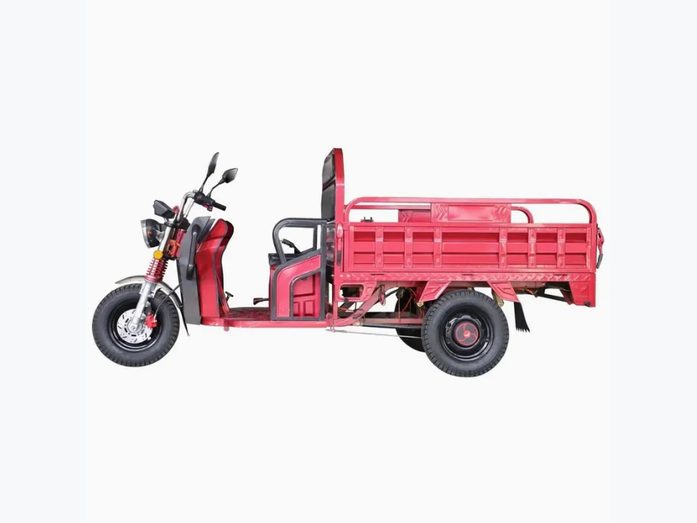
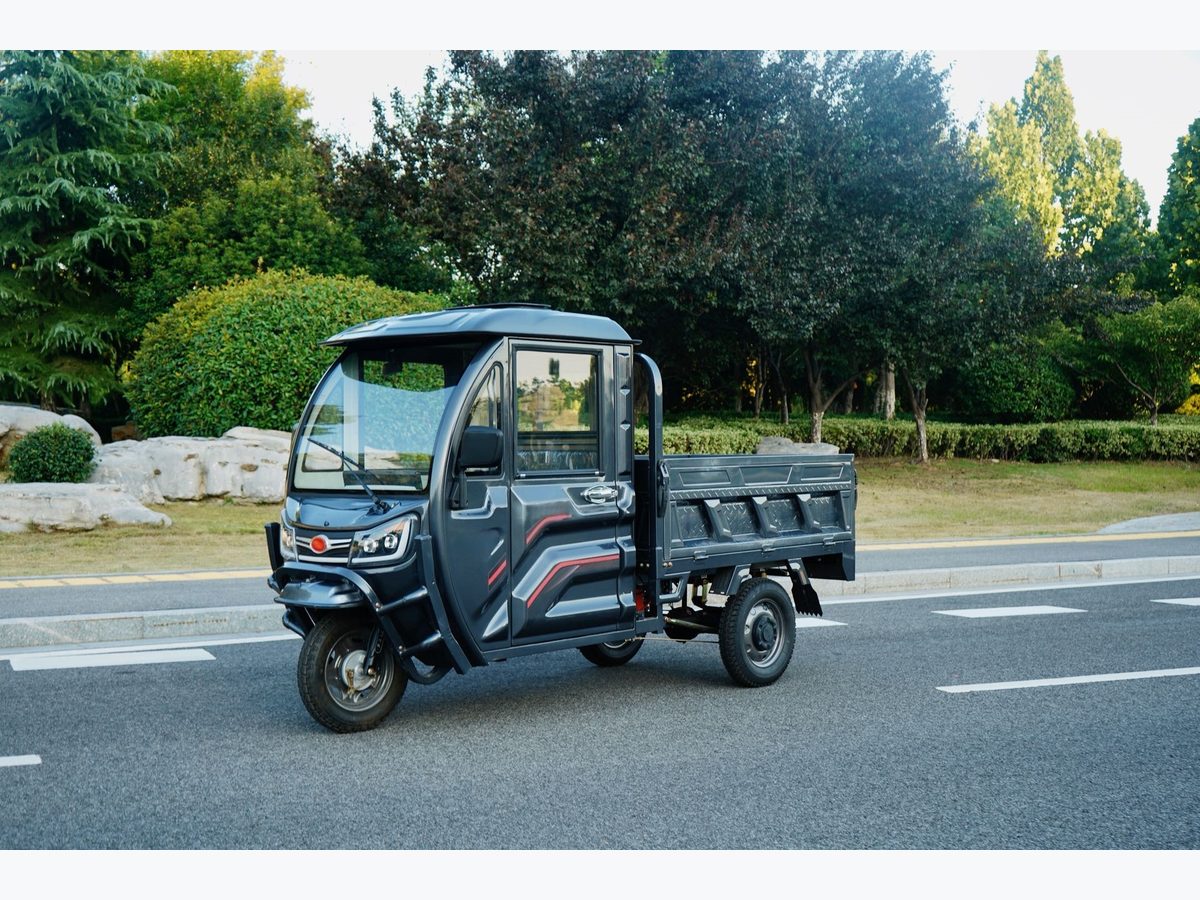
L2e-U is the lowest barrier in the whole L-category ladder. The vehicle is limited to 45 km/h and 4 kW, and the unladen mass ceiling excludes the traction battery — which is why a lead-acid machine can comply while looking heavy on the spec sheet. In practice this is the category a dealer tests a market with, because the licence requirement is the one most of the working population already holds.
Two conditions, not one #
Speed alone does not decide the category. A vehicle that is electronically limited to 45 km/h but rated above 4 kW is not an L2e — the power rating keeps it out. Buyers regularly assume a speed limiter moves a vehicle down a class. It does not; the type-approval does.
| If the declared figure is | Then the category is |
|---|---|
| ≤ 45 km/h and ≤ 4 kW, three wheels | L2e-U (goods) or L2e-P (passengers) |
| ≤ 45 km/h but above 4 kW, three wheels | L5e — a moped licence is no longer enough |
| Above 45 km/h, three wheels, passengers | L5e-A |
| Above 45 km/h, three wheels, goods, 2 seats max | L5e-B |
The table is a guide to the boundary, not a substitute for the certificate of the individual type.
What registration looks at #
- The category printed on the certificate of conformity — not the brochure, not the invoice.
- The unladen mass in running order against the 270 kg ceiling, with the battery question settled.
- VIN prefix against the manufacturer identifier on the approval.
- The plate on the vehicle matching the manufacturer named on the certificate. A private-label plate that does not match is refused.
Where it stops working #
A 4 kW ceiling on a loaded tricycle means gradients are the binding constraint, not top speed. If your customers work hilly ground or carry near the rated load all day, the honest answer is L7e-CU — more power, more mass allowed, and a B1 or B licence instead of an AM.